What’s new?
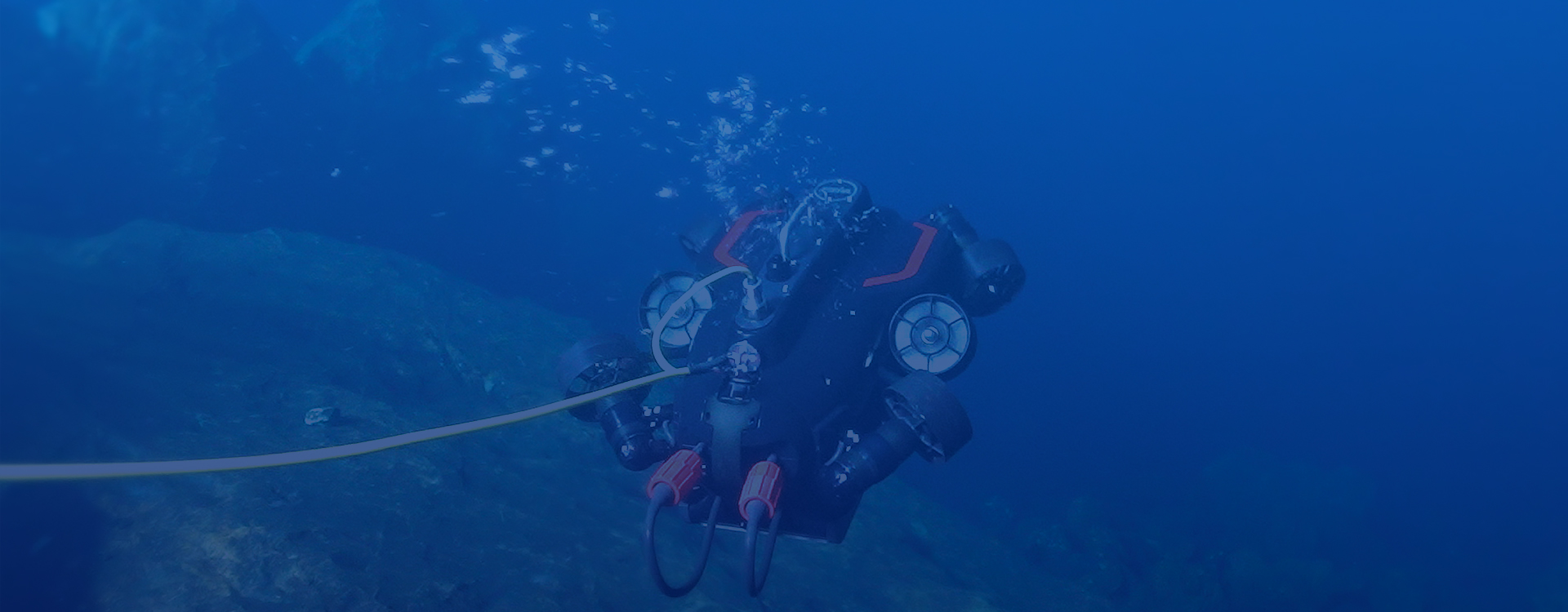
QYSEA showed the X1 at the Oceanology International trade show in London. It is the newest drone from the makers of FIFISH, but not a hobby device: it is built for inspections of offshore installations, ships and harbours. Its special feature: it holds its position even in currents of around 4 knots (roughly 2 metres per second).

Technical data
| Depth | 350 m |
|---|---|
| Weight | max. 30 kg |
| Speed | up to 4.5 knots |
| Position holding | in currents of up to 4 knots |
| Payload | 15 kg |
| Cameras | 2 × 4K, 1/1.8-inch sensors |
| Light | 12,000 lumens |
| Power | Mains operation for 24/7 use |
| Tool change | in 5 minutes |
| Price | on request |

Dual DVL explained simply
A DVL sends out sound waves and uses the echo to measure how fast the drone is moving over the bottom, like a speedometer underwater. The X1 has two of them: one looks forward, one looks down. Together with an inertial navigation system (U-INS Plus), it always knows where it is. It switches automatically between the seabed and the water surface as its reference, and can even “hold on” to a vertical wall, such as a quay wall or a ship’s hull. An AI also plans the route.


For hobby pilots
Hardly anyone will buy the X1 privately. But it shows where the technology is heading. For hobby pilots, the V-EVO remains the entry point at QYSEA, and its AI Vision Lock function is the little brother of this position holding. You will find tips for currents without a DVL in our practical guide Flying in currents: how to stay in control.
You can find reactions and comments on this article in the Unterwasserpilot forum (in German, English posts welcome).
Lost something important underwater that a hobby drone can no longer recover? UDRA offers professional recovery missions in Austria.