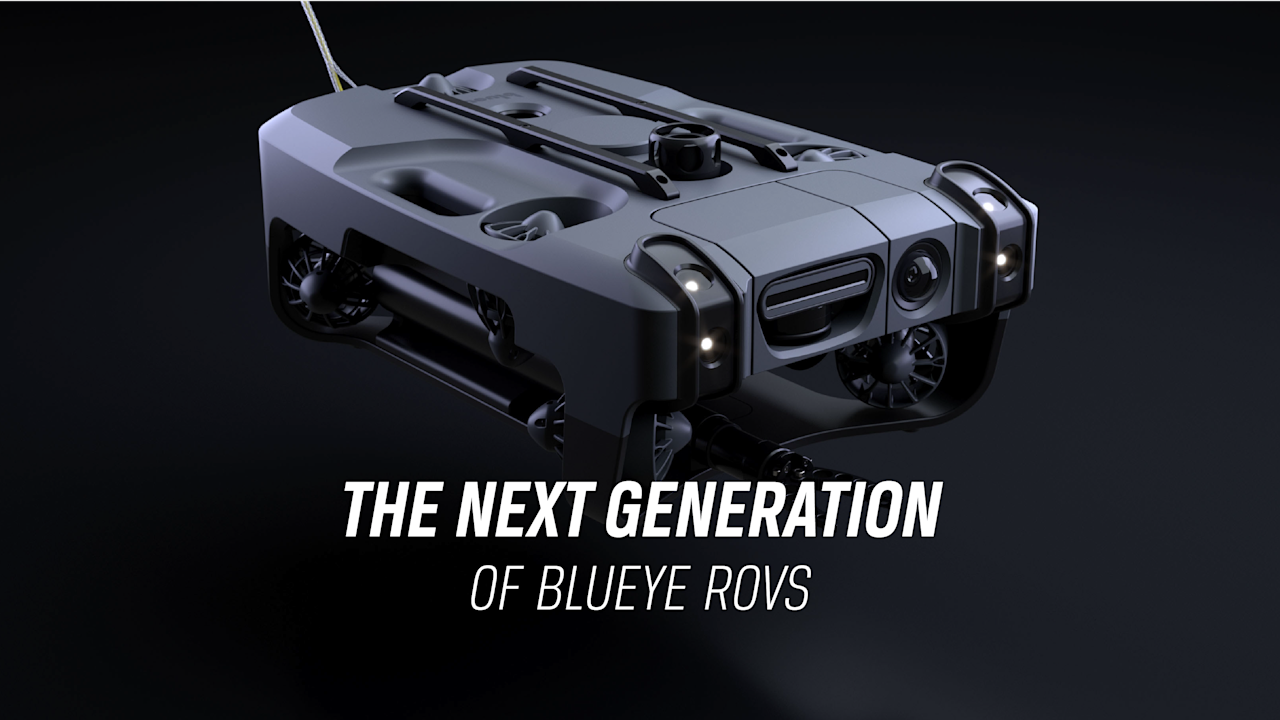
Blueye X7
| Depth | 500 m |
|---|---|
| Propulsion | 7 thrusters, movement in all 6 directions |
| Camera | 4K |
| Expansion | 7 ports for accessories |
| Power | Battery or supply from the surface |
| Price | on request |

Blueye X3 Ultra
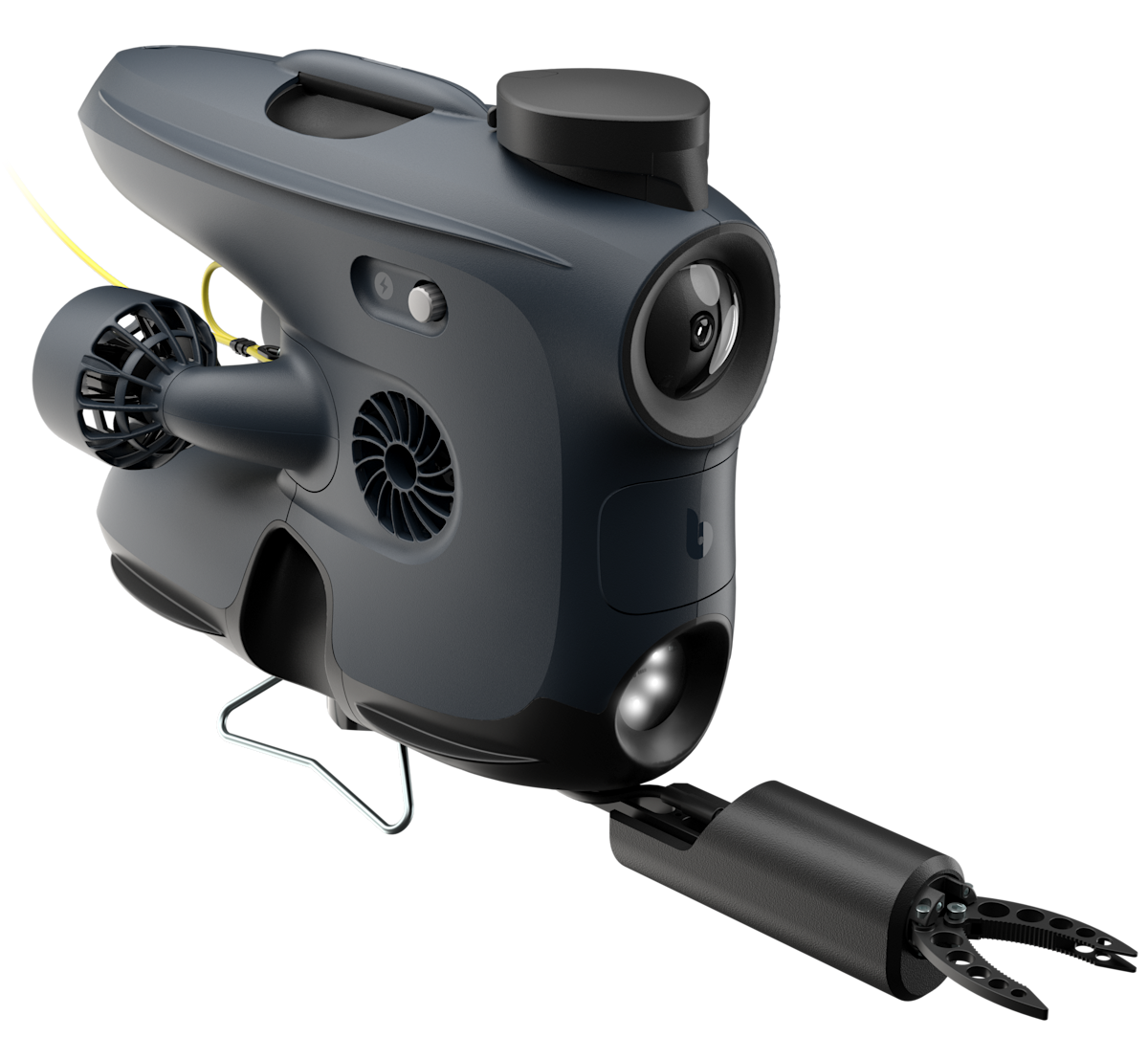
| Depth | 305 m |
|---|---|
| Weight | 8.6 kg |
| Camera | 4K/30 fps, 8x zoom |
| Speed | 3 knots |
| Run time | approx. 2 hrs, approx. 5 hrs with the large battery |
| Storage | 512 GB |
| Computer | Nvidia Jetson Orin NX |
| Price | on request |

What the AI does
Both models do their calculating on board, with no detour via a tablet or the internet. According to Blueye, they can filter out turbidity, recognise objects and follow a single object. The X3 Ultra also combines sonar and camera to avoid obstacles and build an overall picture of its surroundings. You can load your own AI models.
Blueye Cloud
At the same time, the Blueye Cloud platform is launching: manage fleets, store dives and, later on, replay them on a map.


For hobby pilots
Both drones clearly target professionals: harbours, fish farms, public authorities. The trend is the interesting part: the AI computer sits inside the drone itself. That makes functions faster and less dependent on your phone. We explain exactly how this works in our AI background piece.
You can find reactions and comments on this article in the Unterwasserpilot forum (in German, English posts welcome).
Lost something important underwater that a hobby drone can no longer recover? UDRA offers professional recovery missions in Austria.